
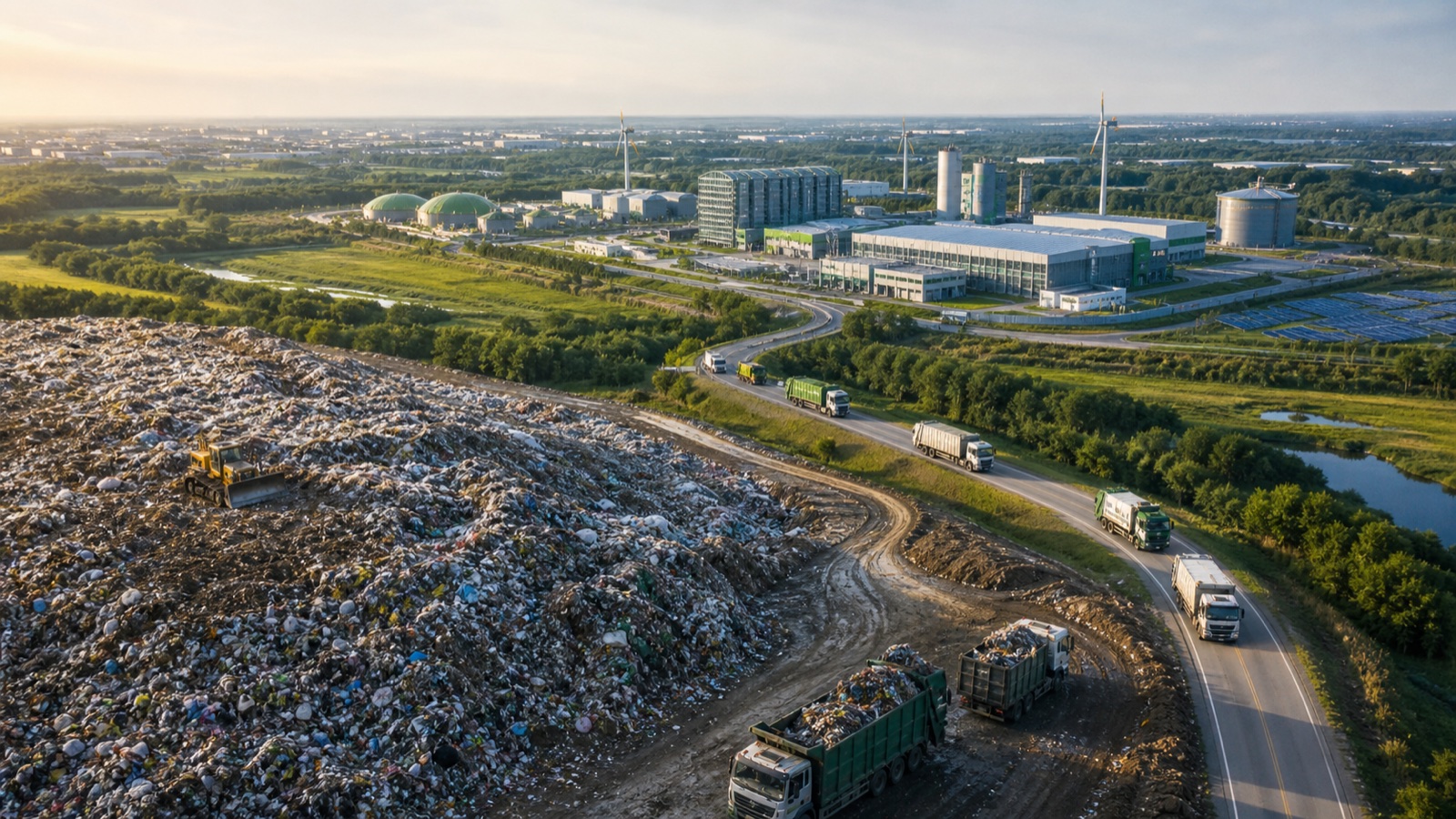
Waste Infrastructure
When a City’s Landfill Is Closing or Reaching Capacity
A long-term path for cities to move from landfill dependence toward waste transformation, clean energy, and local value.
Read case studyCase studies
Explore how closed-loop infrastructure can turn local waste challenges into cleaner energy, stronger economies, sustainable materials, and long-term community value.
The collection
Waste Infrastructure
A long-term path for cities to move from landfill dependence toward waste transformation, clean energy, and local value.
Read case study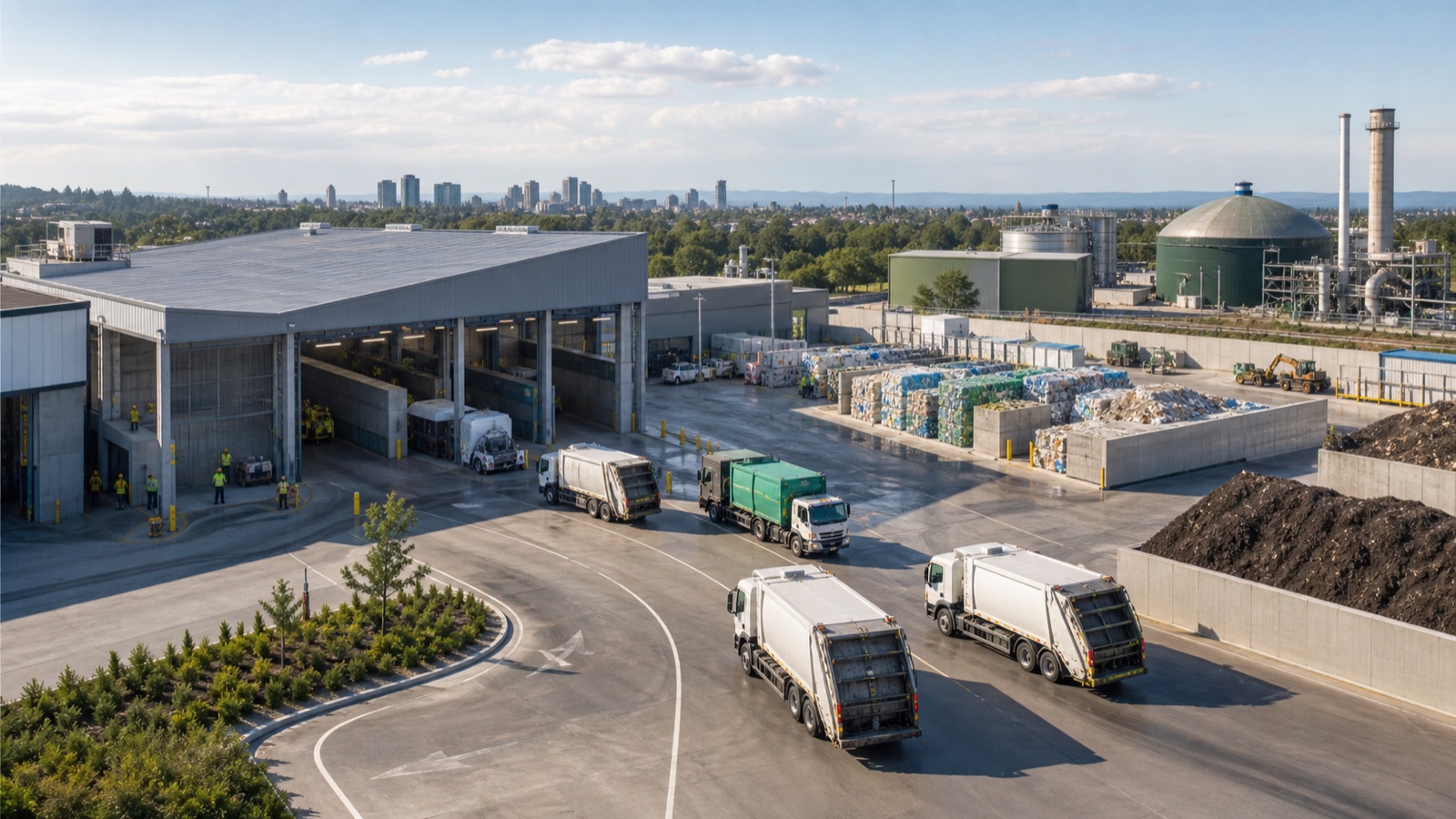
Waste Infrastructure
A resource-recovery model that goes beyond moving waste from one location to another.
Read case study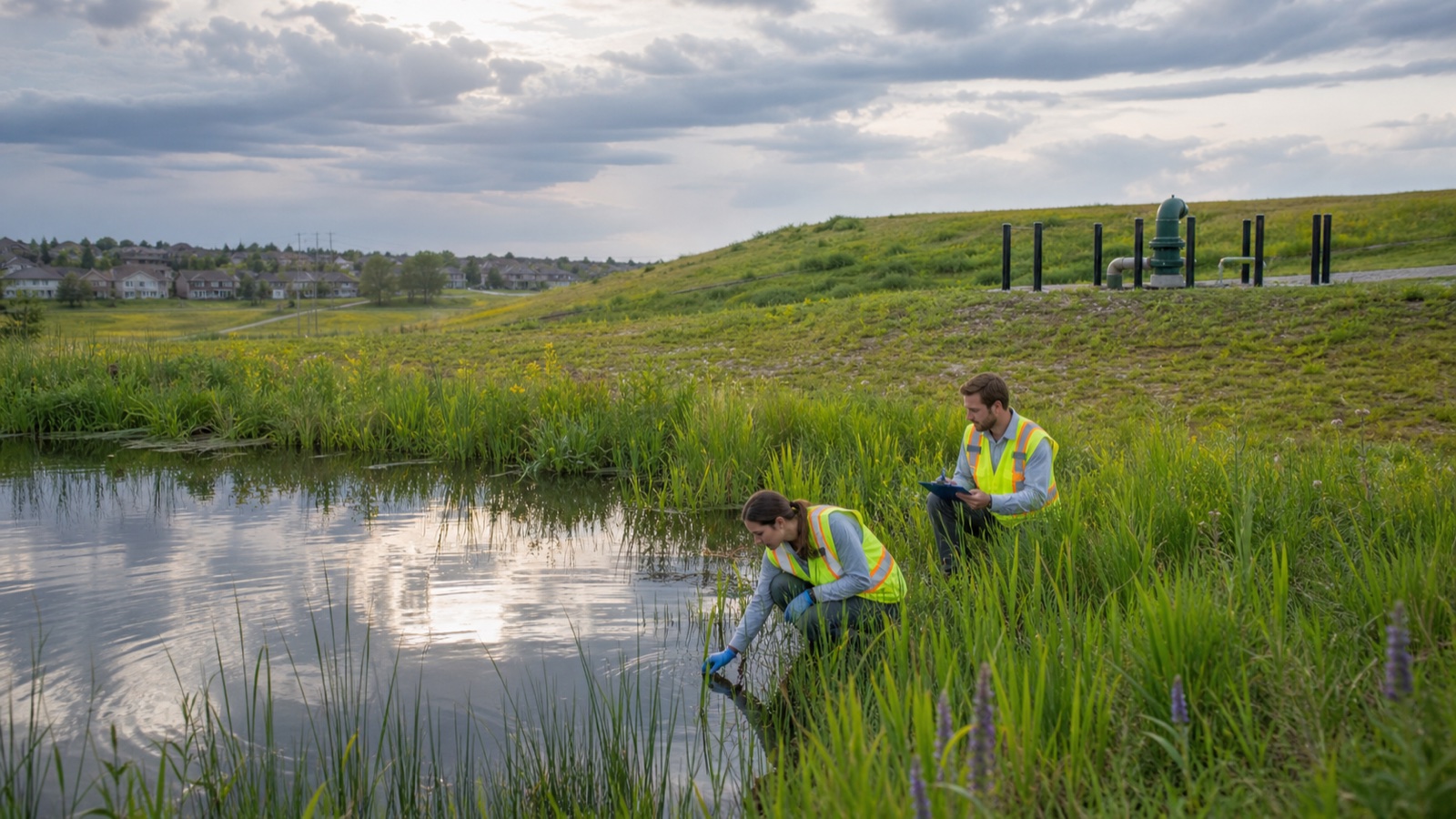
Environmental Protection
Reducing long-term environmental responsibility by transforming waste before it becomes a burden in the ground.
Read case study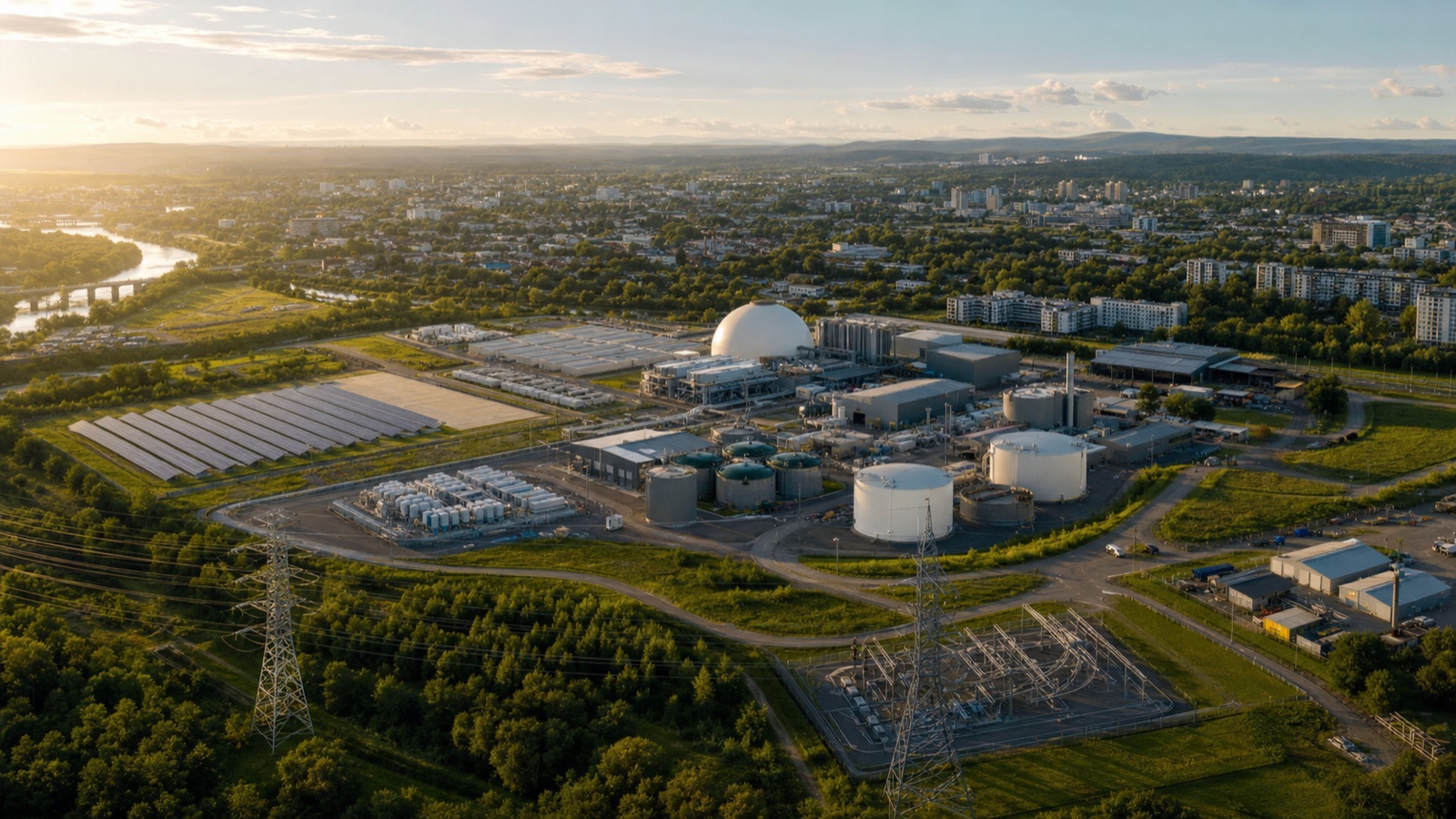
Clean Energy
Connecting two local challenges—waste and energy—through resilient, closed-loop infrastructure.
Read case study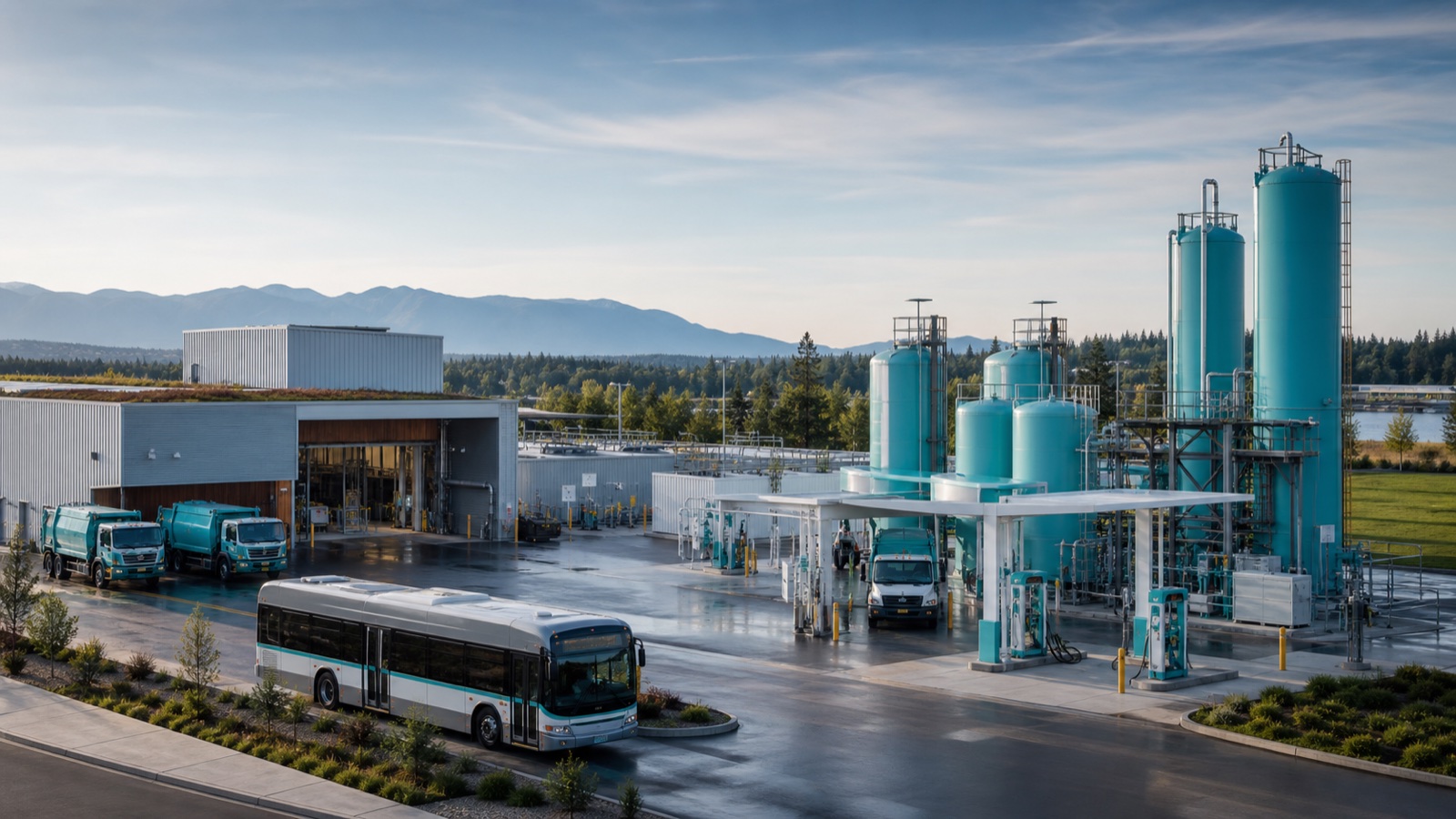
Clean Fuels
Turning municipal solid waste into turquoise hydrogen and cleaner fuel pathways for communities and industry.
Read case study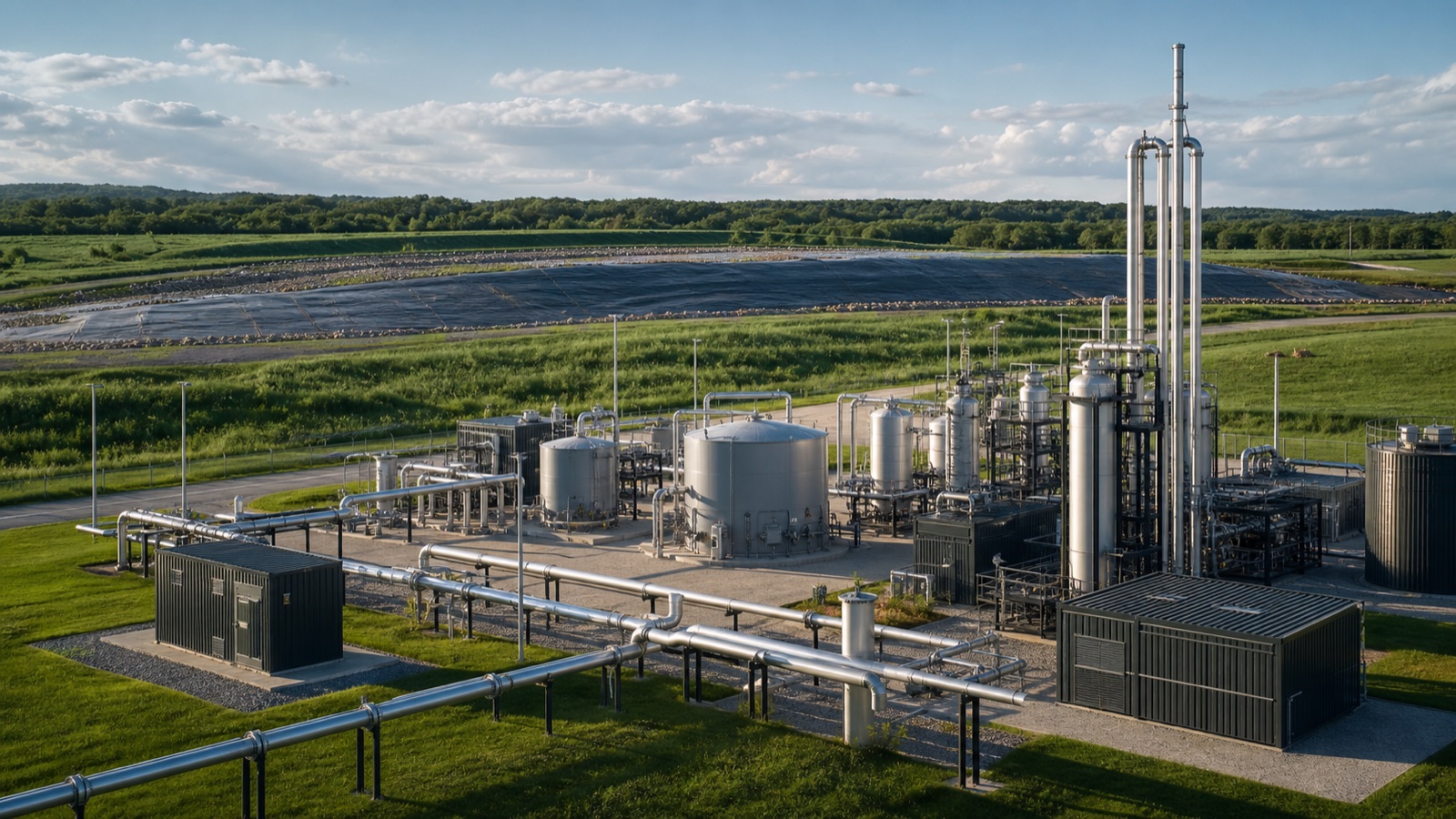
Climate Infrastructure
Bringing waste transformation, clean energy, carbon reduction, and clean fuels into one connected system.
Read case study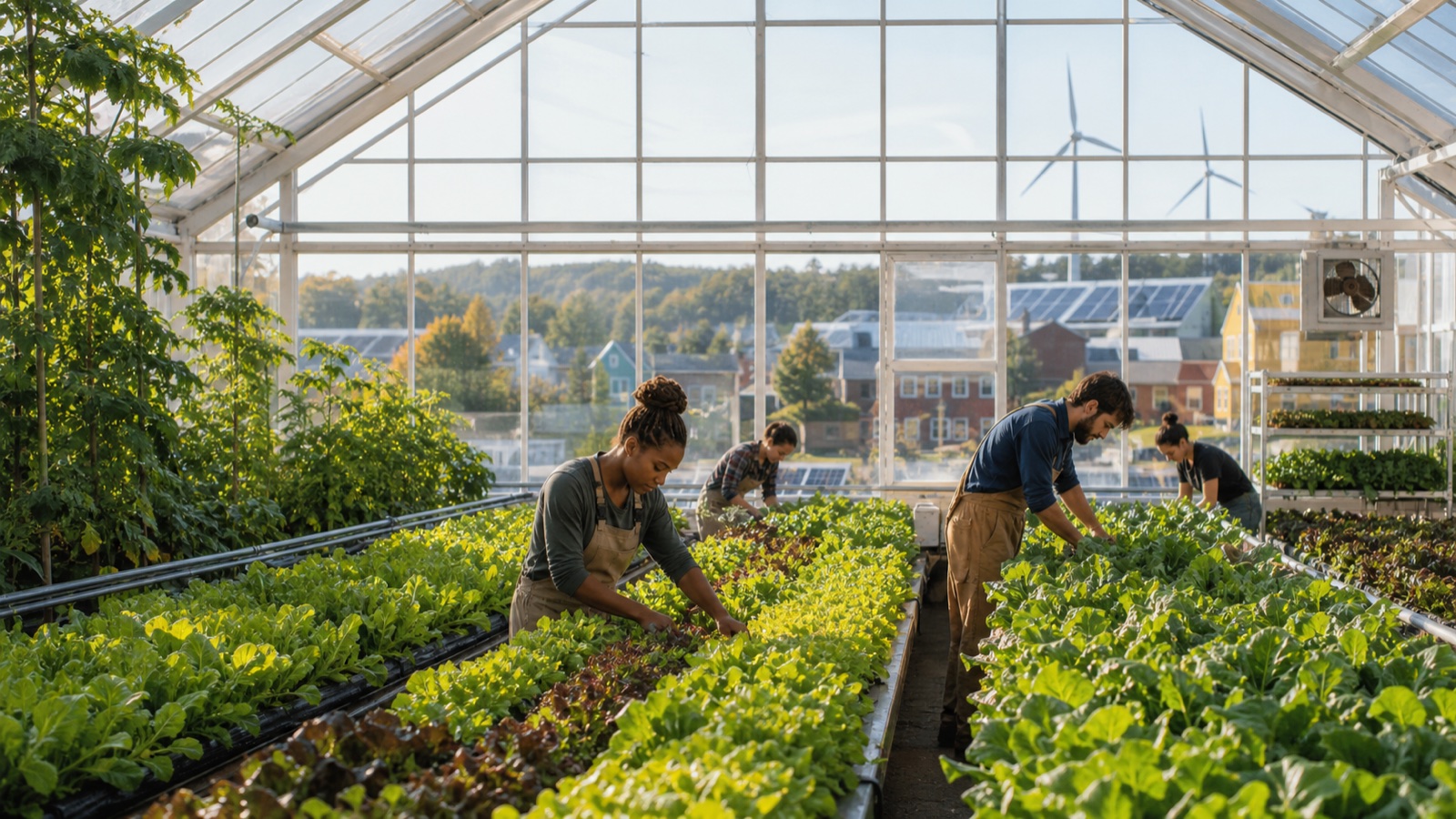
Food Security
Using clean energy from waste transformation to support reliable, year-round controlled agriculture.
Read case study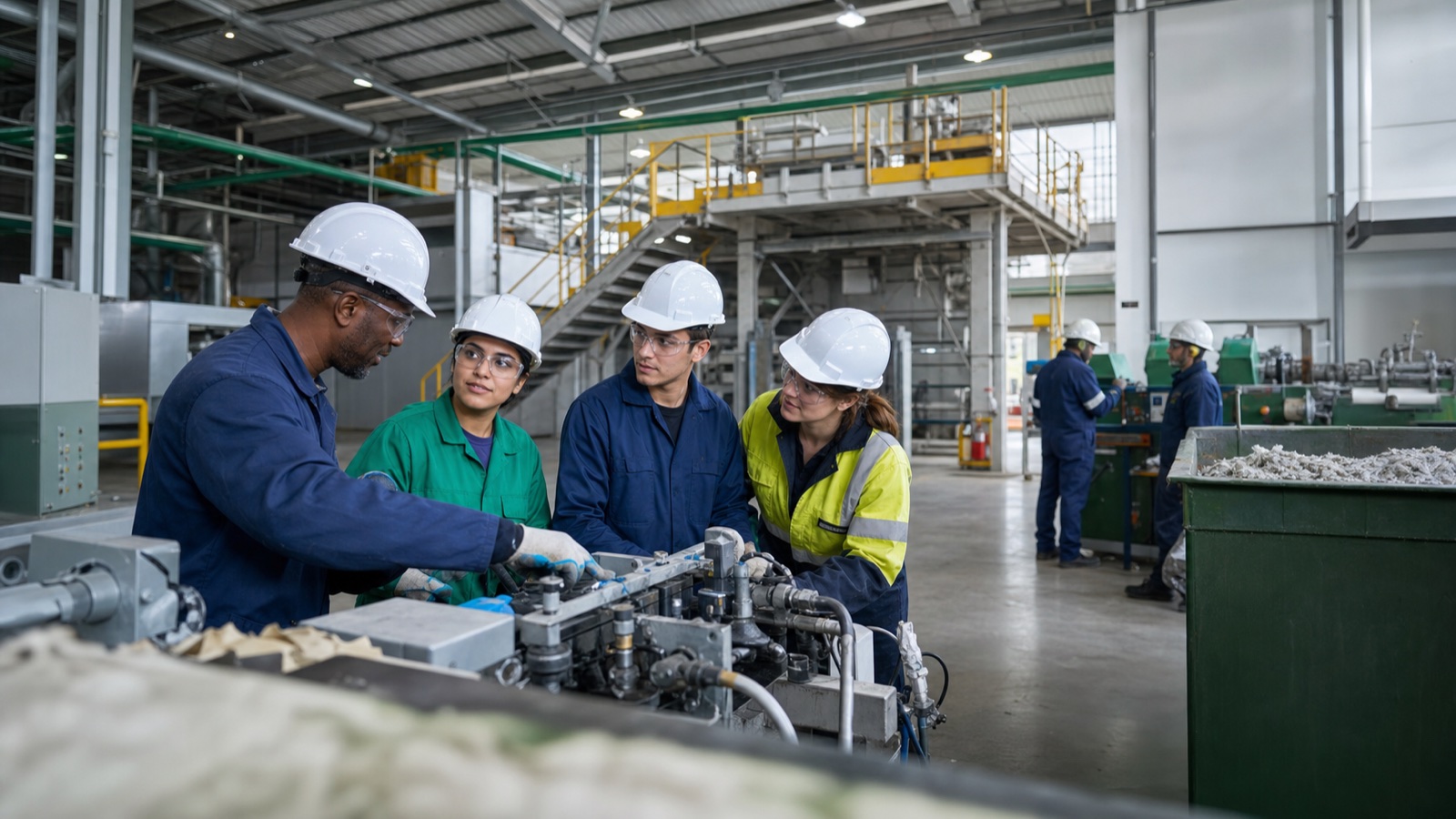
Economic Development
Designing environmental infrastructure as a platform for skilled jobs, workforce development, and long-term local value.
Read case study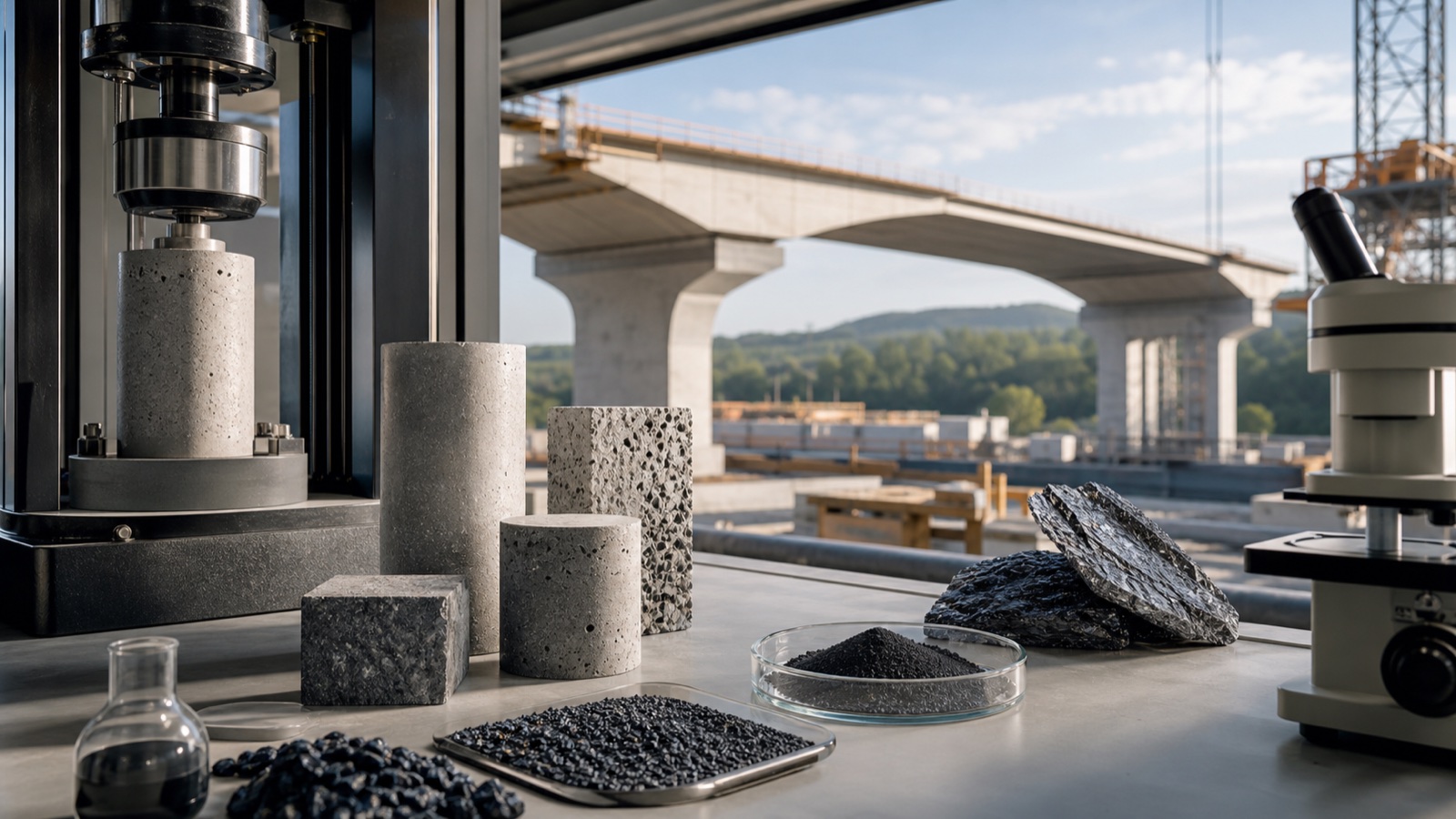
Circular Materials
Connecting municipal waste recovery with carbon-negative cement, graphene, and cleaner infrastructure development.
Read case study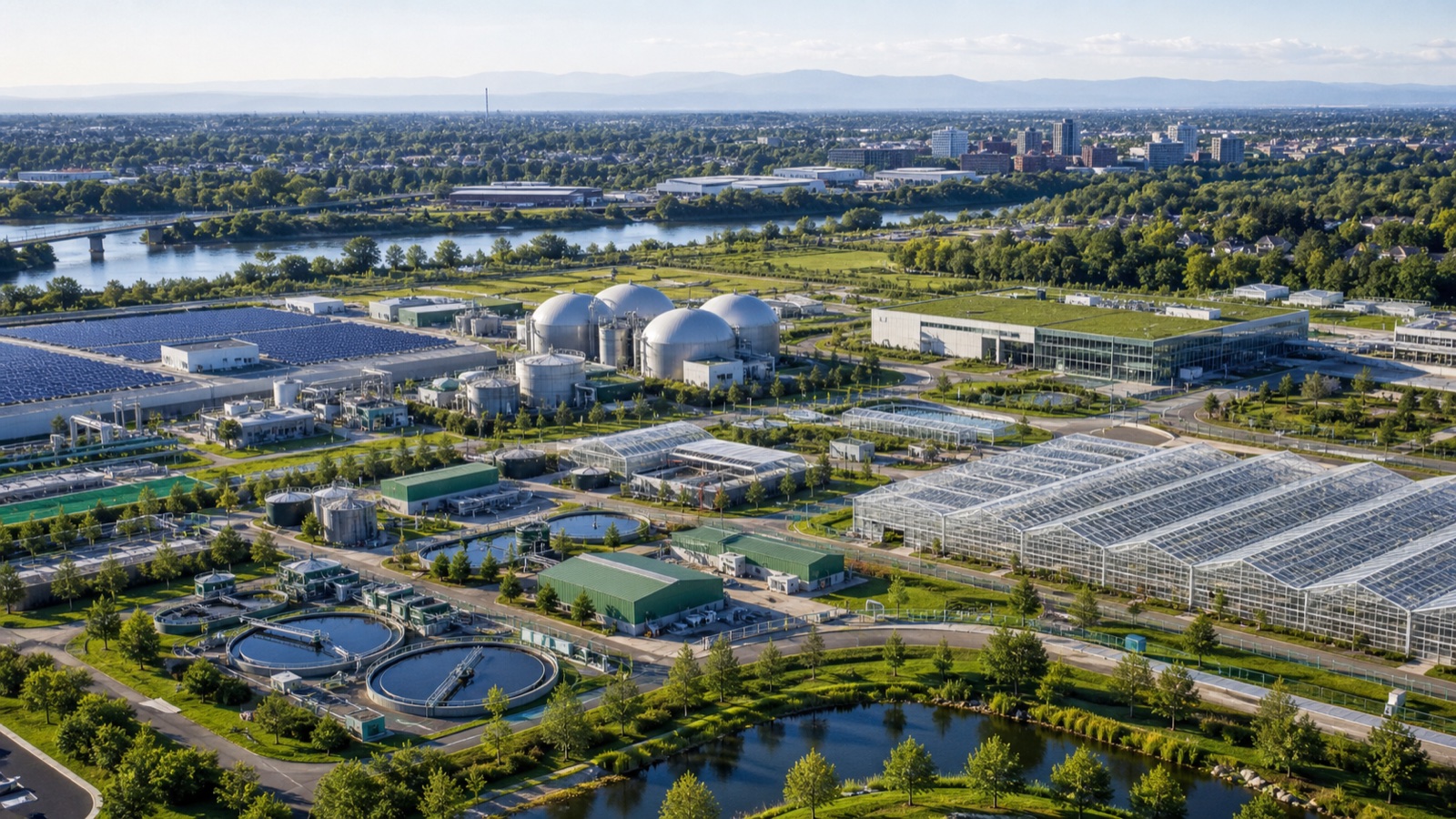
Integrated Systems
One connected platform for waste, energy, food, fuels, materials, jobs, and climate goals.
Read case study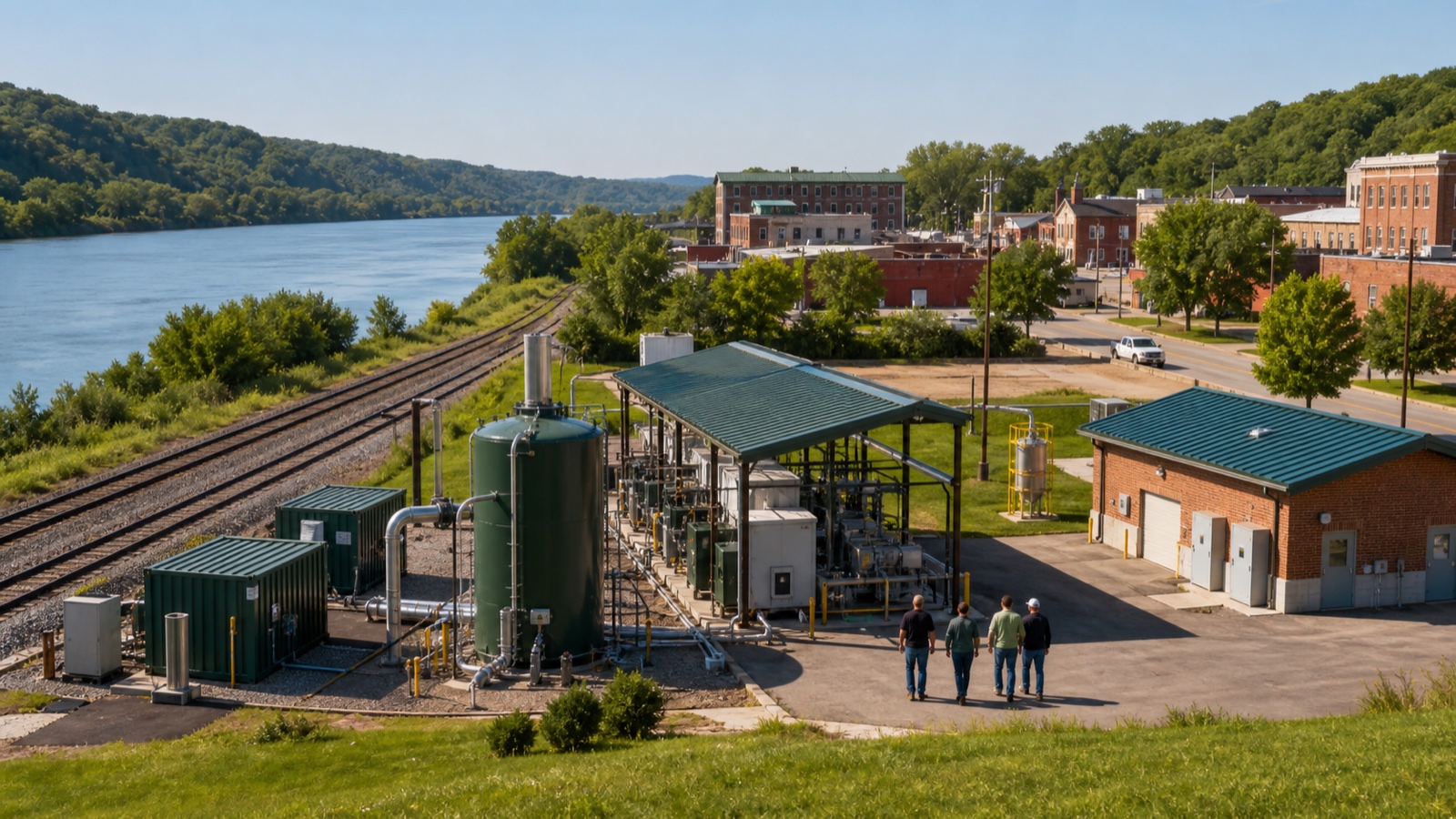
Pilot Projects
Prospective pilot opportunities in St. Joseph and Washington that could turn local waste challenges into demonstrable value.
Read case study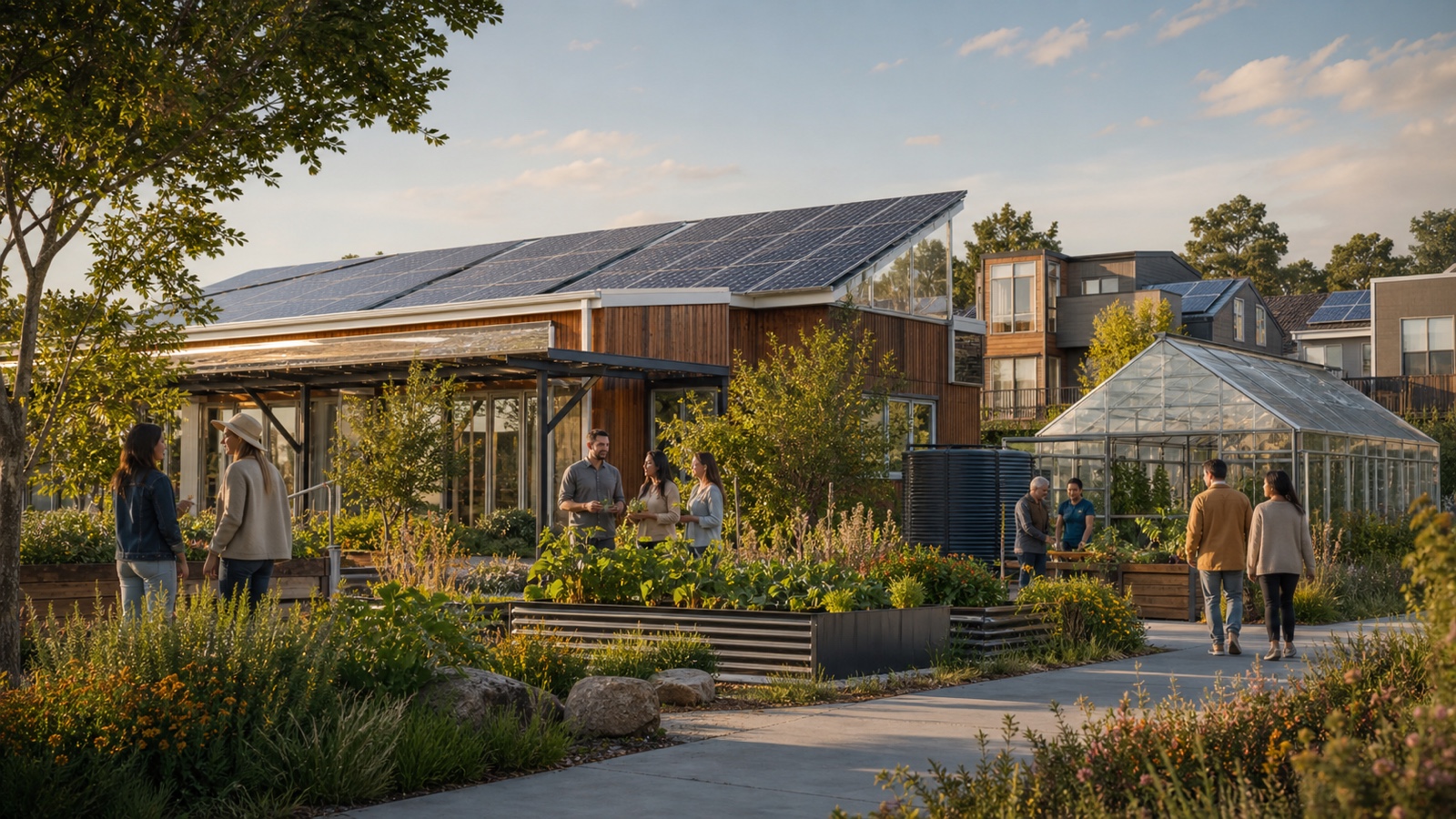
Environmental Justice
Expanding access to cleaner infrastructure, fresh food, workforce opportunities, and lasting local value through community-led development.
Read case studyA connected approach
The Promise Worldwide is designing infrastructure that connects environmental progress with practical community outcomes.
Start a conversation