
01
The Situation
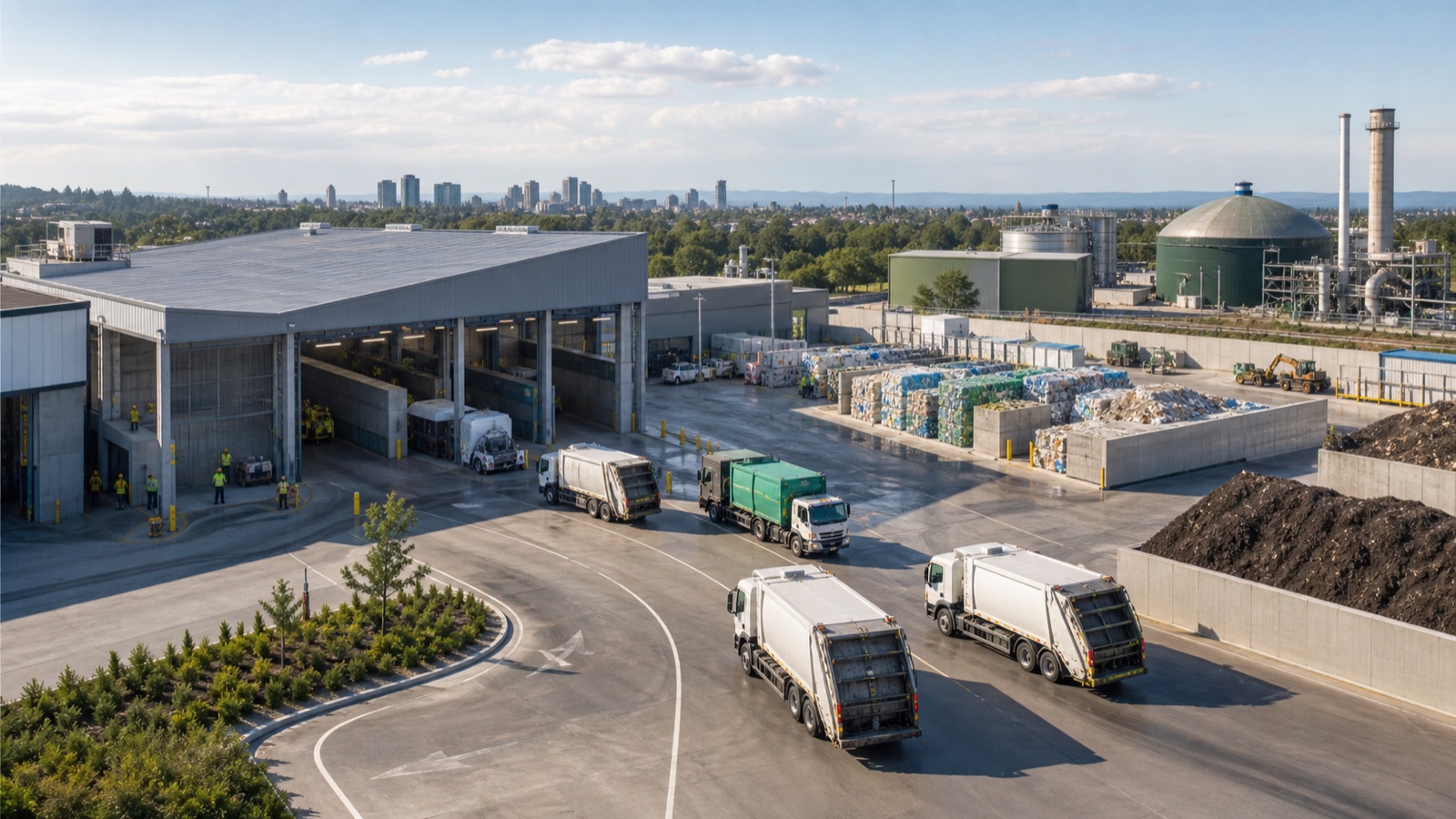
A community is using transfer stations as part of its waste management system.
Waste is collected from homes and businesses, brought to a transfer station, consolidated, and then transported somewhere else.
This may help organize waste logistics, but it does not eliminate the waste.
The trash still needs a final destination.
For cities dealing with landfill closure, contamination concerns, or capacity issues, transfer stations may only become a temporary bridge to another problem.
02
The Challenge
Transfer stations can increase operational complexity.
They may require more trucking, more fuel, more handling, and more coordination between haulers, disposal sites, and local governments.
If the final disposal site is far away, transportation costs can rise quickly.
Communities may also raise concerns about odor, truck traffic, noise, air quality, and the long-term value of building infrastructure that still depends on landfills.
A transfer station can move waste efficiently.
But it does not transform waste.
A transfer station can move waste efficiently. But it does not transform waste.
03
The Promise Worldwide Solution
The Promise Worldwide is designed to do more than move waste from one location to another.
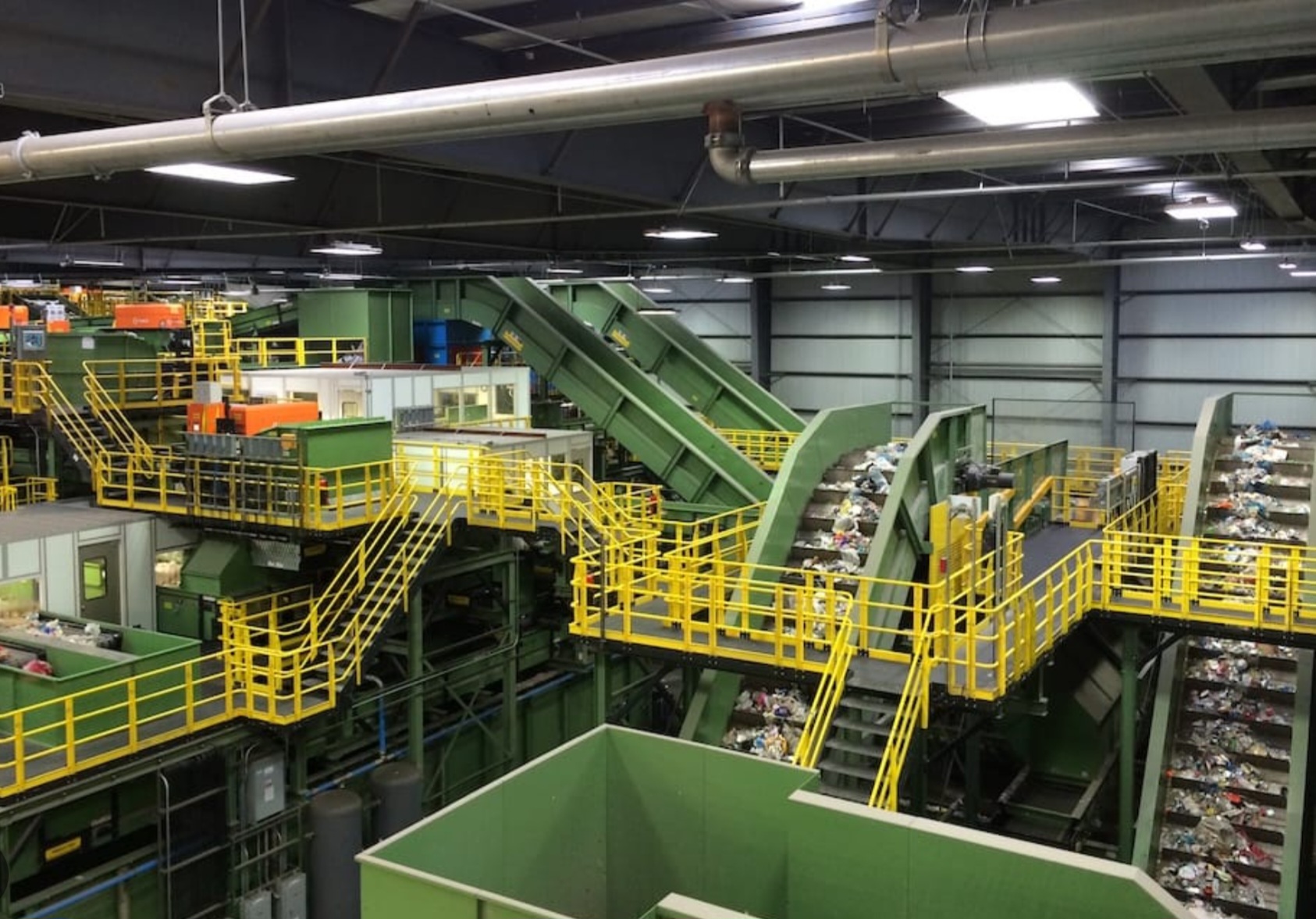
Our closed-loop system is designed to process municipal solid waste and convert it into clean energy, turquoise hydrogen, clean fuels, purified water, and sustainable materials.
This creates a different kind of infrastructure.
Instead of building a facility that only transfers waste, communities can explore a model that transforms waste into usable outputs.
04
How the Solution Helps
The Promise Worldwide helps cities reduce dependence on long-distance disposal and landfill-based systems.
By converting waste into resources, the system can support local energy needs, clean fuel production, material creation, and economic development.
This makes waste management more productive.
The waste is no longer just a cost.
It becomes a feedstock for energy, fuels, materials, and jobs.
05
Potential Impact
This solution can help address:
- Overdependence on transfer stations
- Long-distance hauling costs
- Emissions from waste transportation
- Continued landfill reliance
- Lack of local resource recovery
- Need for clean infrastructure
- Community demand for better waste solutions
Summary
Transfer stations move waste.
The Promise Worldwide is working to transform waste.
For communities looking beyond short-term waste logistics, this model offers a path toward cleaner energy, useful resources, and long-term local value.