01
The Situation
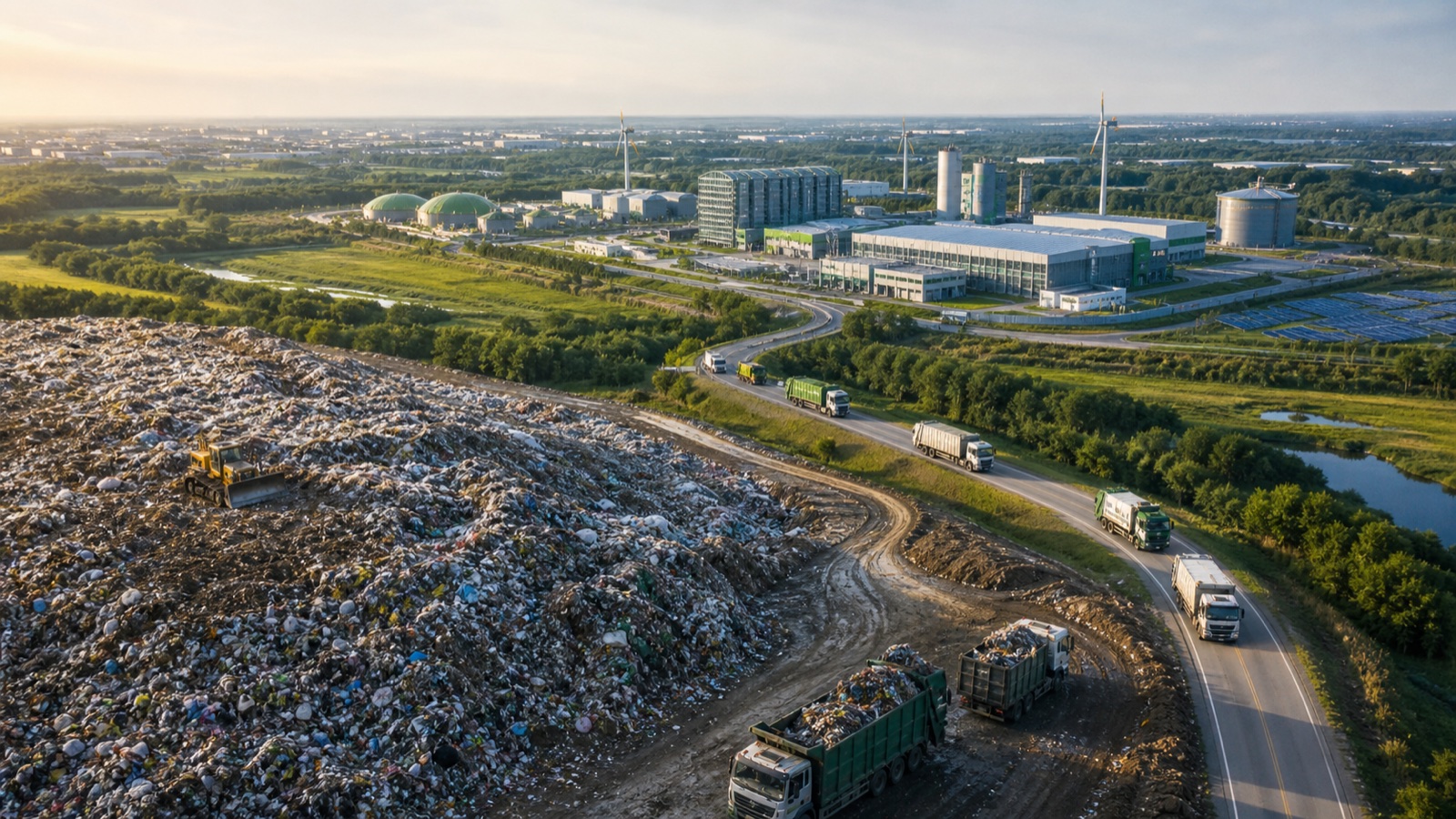
A city has depended on its landfill for years.
Waste is collected, transported, and buried.
For a long time, this model may have seemed manageable.
But now the landfill is reaching capacity, facing closure, or creating growing environmental concerns.
City leaders are under pressure to find the next option.
Residents are concerned about odor, truck traffic, contamination, and long-term environmental risks.
Waste haulers need somewhere to take the trash.
Local governments are facing rising costs and difficult permitting decisions.
The problem is simple but serious:
When a landfill closes, the waste does not disappear.
It still has to go somewhere.
02
The Challenge
Most traditional options only delay the problem.
A city may send waste farther away, rely more heavily on transfer stations, expand existing landfill space, or search for another disposal site.
But each option can create new costs, new emissions, and new community concerns.
Longer hauling distances can increase transportation costs.
More trucks can increase fuel use and road impact.
New disposal sites can face public opposition.
Landfill expansion can raise environmental and permitting concerns.
The city needs more than another place to bury waste.
It needs a better long-term strategy.
When a landfill closes, the waste does not disappear. It still has to go somewhere.
03
The Promise Worldwide Solution
The Promise Worldwide offers a cleaner alternative to landfill dependence.
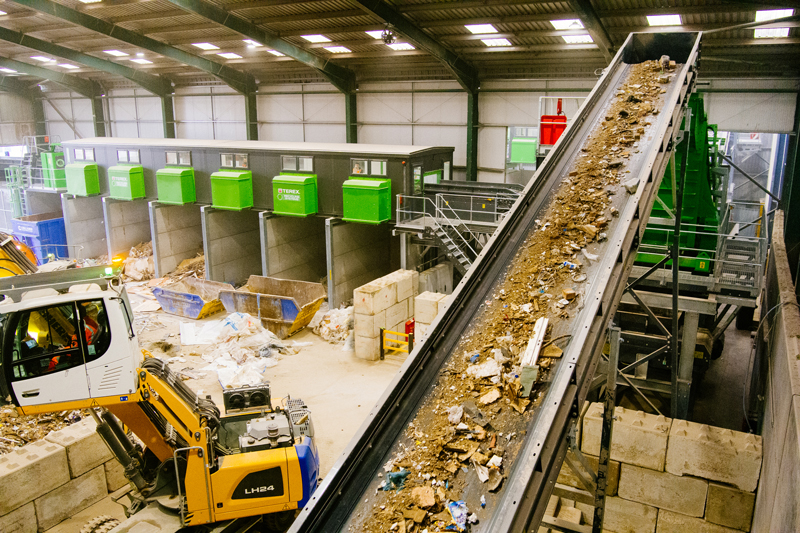
Instead of treating waste as something to bury, our closed-loop system is designed to transform municipal solid waste into valuable outputs.
These outputs can include clean energy, turquoise hydrogen, green ammonia, synthetic compressed natural gas, purified water, oxygen, nitrogen, carbon-negative cement, graphene, and other sustainable materials.
This changes the question from:
“Where do we send the waste?”
to:
“What can this waste become?”
04
How the Solution Helps
The Promise Worldwide’s model helps cities move away from a disposal-only mindset.
Waste becomes a resource that can support energy production, clean fuel development, sustainable materials, local jobs, and community infrastructure.
This approach can help reduce landfill pressure while creating new forms of local value.
Instead of spending more money to move waste farther away, communities can begin building a system where waste supports cleaner energy, economic development, and environmental responsibility.
05
Potential Impact
A city using this model could benefit from:
- Reduced landfill dependence
- Less pressure to expand or replace landfills
- Cleaner waste infrastructure
- New local clean energy opportunities
- Turquoise hydrogen and clean fuel production
- Green job creation
- Stronger long-term sustainability planning
Summary
Landfill closure does not have to become a crisis.
With The Promise Worldwide, cities can move from burying waste to transforming waste into clean energy, clean fuels, useful materials, and community value.